





The people around a grieving family usually want to help within the first day. The hard part is working out what to send when someone dies without handing that family one more thing to manage. Sympathy gift etiquette is less a rulebook than a sense of timing, plus a habit of picking something that gets used instead of stored in a closet.
We pack and ship sympathy gift baskets every week of the year, so we see which gifts turn into thank-you notes and which ones quietly don't. Below is how we'd think it through when a friend loses a loved one: the timing, the address question, what to send based on your relationship to the deceased person, and one category we'd honestly skip.

Sympathy gift etiquette starts with timing
The standard advice is to send sympathy gifts within two weeks of the loss, and that's a reasonable default. It just isn't the whole picture. Most people send once, in the first 48 hours, and then go quiet. Grief runs long, and the crowded early week is when a family has the least room to notice anything.
The immediate aftermath, day one to day three
In the immediate aftermath the household is on the phone. There are funeral arrangements to make, relatives arriving, and a kitchen that suddenly has to feed people it wasn't planning on. Food gifts win this window outright. Something that can sit on a counter and get picked at by whoever stops by does more good than a beautiful gift that needs unwrapping and admiring.
This is also the moment to keep your note short. Two sentences and your name. Nobody is reading paragraphs on day two.
The first two weeks, around the funeral service
Between the death and the memorial service, the family's home fills up and empties out repeatedly. Practical help matters here as much as any object. Paper plates, cups, and napkins sound unromantic and get used immediately, because nobody wants to run a dishwasher four times a day while hosting relatives.
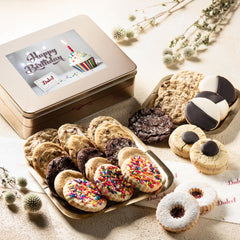
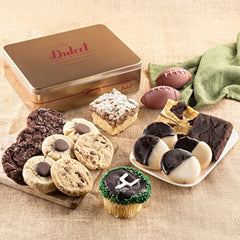
If you missed the first window, this is a fine time for a cookie gift box or a bakery basket. It travels well, it keeps, and it doesn't demand a vase or a shelf.
Weeks and months later, when everyone else has stopped
Here's the part almost everyone gets wrong. Six weeks out, the casseroles have stopped and the grieving process is only really starting. The healing process doesn't run on the same calendar as the funeral. It's never too late to send a sympathy gift, and a bereavement gift that arrives anywhere from three weeks to three months later often lands harder than a day-two delivery, because by then it's obviously deliberate.
Mark the date of the death in your calendar and send something at the one month mark, or on the first birthday, or at the holidays. Anniversary gifts around significant dates are among the most appreciated gestures there are. A care package in month two is one of the kindest things you can do, and almost nobody does it.
Send it to the funeral home or the family's home?
This trips people up more than the gift choice does. The short version: flower arrangements go to the funeral home, and everything else goes to the house.
Traditional funeral flowers are designed to be displayed at a service, so sympathy flowers sent to the funeral home make sense and the staff there expect them. Food, baskets, and keepsakes are different. Send those to the home address, because a basket delivered to a chapel becomes something a family member has to carry to a car after the hardest hour of their month.
Two caveats. If the obituary lists a specific charity and asks for donations in lieu of flowers, follow the family's wishes exactly. That line is not decorative. And if the family asks for no gifts at all, send a card instead, which honors the request while still expressing sympathy.
If you don't have the home address, the safest move is to ask a close relative rather than guess, or choose something you can have delivered same day once the address is confirmed. We ship directly to residential addresses, which is usually what you want here.
What to send when someone dies, based on your relationship
Appropriate sympathy gifts scale with closeness. The same parcel that's the perfect sympathy gift from a sibling reads as strange from a vendor. Here's a rough map.
Close family and best friends
You have the most latitude and the least need for formality. Show up. Bring food you made, take the dog, answer the phone, sit in the kitchen. Presence and listening do more than most objects will. If you live far away, a substantial sympathy gift basket is a reasonable stand-in for spending time in the house.
Offer one specific thing rather than a general "let me know if you need anything," because grieving people often can't bring themselves to ask for help. Family members in this tier usually end up hosting everyone else, so feeding the hosts is a real contribution. A personalized photo frame also suits this tier, where a keepsake won't feel presumptuous.
Friends and the wider circle
A thoughtful sympathy gift with a handwritten note is exactly right. This is the sweet spot for a sympathy gift box or a bakery basket in the $60 to $90 range, or a comfort care package, which suits friends particularly well. It's substantial enough to register and modest enough that nobody feels they owe you a response.
If you knew the person who died, put one specific thing about them in your personal message. Not a summary of their character. One brief, warm memory. That's the detail a grieving friend will reread months later.
Co workers and professional contacts
Co workers are the group most likely to overthink this. Sympathy gifts for coworkers should stay considerate and slightly reserved. A group gift from the team is usually better than eight separate deliveries, and it spares the grieving person eight separate thank-you notes. Pool the money, pick one basket, sign one card, and express condolences on behalf of everyone.
Keep it non-religious unless you know the family's tradition, and keep it off the personal end of the scale. Nothing engraved, nothing that references the deceased's memory in a permanent way. That's a job for close friends and relatives, not the office. Our gift basket delivery range covers the sizes that work for a team contribution.
Neighbors and acquaintances
Small and useful. A tray of cookies on the porch, a note in the mailbox, an offer to take the trash cans out for a fortnight. A small gesture from someone the family barely knows lands surprisingly hard, precisely because it wasn't owed.
Appropriate sympathy gifts that actually get used

Food gifts and sympathy baskets
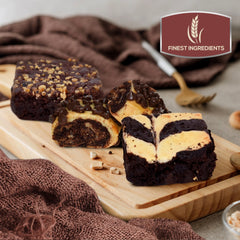
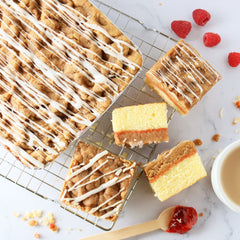
Food is the practical kindness. Food baskets solve a real problem (people keep arriving and everyone needs feeding) and they disappear, which means they never become clutter. A good sympathy gift basket includes things that keep for a week, don't need refrigeration, and can be handed round without cutlery.
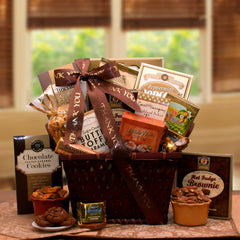
Our Classic Sympathy Bakery Gift Basket is the one we ship most for exactly that reason. The Comfort & Care Confections Gift Basket works for a household that would rather have something homey than formal. If you want fresh fruits in the mix instead of all sweets, our fruit gift baskets hold up well and give people something lighter to reach for.
Practical help, which nobody thinks to give
A grocery delivery credit. A cleaning service for the week of the funeral. Paper plates and disposable cups. A prepaid ride account so out-of-town relatives can get around. A practical gift like this will never photograph well, and it's frequently the single most useful thing anyone sends.
It's also a tangible way to help when you don't know what to say. If someone else has already brought food, practical help is where you differentiate. Two casserole dishes is generous. A sixth casserole dish is a storage problem.
Charitable donations and a living tribute
When an obituary names a specific charity, charitable donations are the gift. Give, then send a card saying you gave, because the family often has no way of knowing otherwise.
A tree planted in someone's name is the other version of this, and it's a genuinely lovely way to mark a life. It's a lasting tribute that grows instead of wilting. Just check the family has somewhere to put it, or use a service that plants on their behalf in a public forest.
Keepsakes that hold a loved one's memory
Wind chimes, engraved frames, and garden stones are a visual reminder and, for many families, a real comfort. Memorial wind chimes are the most popular of the lasting sympathy gifts, partly because they give auditory comfort with every breeze rather than one more thing to look at. Keepsake boxes work similarly, preserving small objects and letters somewhere deliberate. A cozy blanket sits in the same category and gets more use than most keepsakes.
These gifts are also deeply personal, and a lasting reminder of a loved one is only welcome if the recipient wants one in daily life. Send keepsakes if you're close enough to know the answer. If you're not, send food.
Our sympathy gift baskets, compared
Every carefully curated basket below was in stock and shipping as this was written. Prices as of August 2026.
| Sympathy gift | Price | Best for |
|---|---|---|
| Fresh Baked Assorted Cookie Gift Box | $39.95 | Co workers, neighbors, group gifts |
| Jenny’s Small Sympathy Gift Basket | $62.00 | A single person or a small household |
| Classic Sympathy Bakery Gift Basket | $62.99 | The safe default for friends |
| Comfort & Care Confections Gift Basket | $64.99 | Homey rather than formal |
| Jenny’s Medium Sympathy Gift Basket | $72.00 | A family of three or four |
| Deluxe Sympathy Pastry Gift Basket | $79.54 | A house that's hosting visitors |
| Jenny’s Large Sympathy Gift Basket | $89.00 | Our most-ordered sympathy basket |
| Grandiose Classic Bakery Gift Box | $124.99 | A large family, or a whole office pooling in |

The one category we'd skip
Here's our actual opinion, and it costs us sales to say it: don't send anything that needs immediate care. That means potted plants that will die without watering, and it means large floral arrangements sent to a house that already has nine of them.
A grieving person in week one cannot keep a plant alive. They're not sleeping. Gifts that create extra work should be avoided, and handing someone a living thing to look after at the exact moment they have nothing left to give turns your gift into a small daily obligation, then into guilt when it browns. We've had people order flowers for the house and call back two days later asking us to send cookies instead.
The other thing we'd avoid is anything that asks the family to make a decision. Gift cards that expire, subscriptions that need setting up, a hamper that requires assembly. Difficult moments are not the time to introduce admin. Send the thing that works when you open the box.
How much to spend on the right sympathy gift
There's no fixed number, and anyone who tells you otherwise is guessing. As a working range: $30 to $50 for a co worker or neighbor, $50 to $90 for a friend, and whatever feels right for immediate family. A group gift from a team of ten sits comfortably at $100 to $150.
Spend less than you think and write more than you think. We have never once heard a family say a sympathy gift was too small. We have heard plenty say a card meant everything.
The card carries more weight than the gift box
A heartfelt note should go with every sympathy gift, and a handwritten one beats a printed gift message every time. That personal touch is the part people keep. If you're stuck on the wording, our guide to what to write in a sympathy card has examples you can adapt rather than copy.
Three things worth knowing. Use the name of the person who died, and acknowledge the loss directly instead of talking around it. Avoid anything that minimizes grief ("everything happens for a reason" helps nobody). Offer one concrete thing rather than an open-ended offer. Heartfelt condolences in four plain sentences beat a page of careful phrasing, because simplicity and sincerity are what actually read as kind.
If the family sends thank-you notes later and you're on the receiving end, our notes on thank-you note wording may help them. It's the kind of task that stalls for months.
Flowers, or a sympathy basket?
Both are correct. They do different jobs.
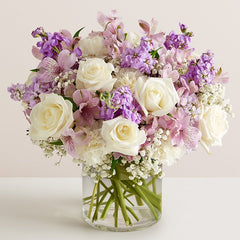
Floral arrangements are ceremonial. They fill a room at a service, they photograph the day, and they signal formally that you were present. Most cut arrangements last about four to seven days, which is the right lifespan for a service and a short one for a household. Send flowers when there's a funeral service or a viewing to fill, and send them to the funeral home.
A sympathy basket is domestic. It feeds a house, it lasts a fortnight, and it arrives at the moment the ceremony ends and the quiet begins. If you can only send one, and the family is hosting people at home, we'd send the basket. If the obituary emphasizes the service and the family is small, flowers remain one of the traditional choices for good reason.
Plenty of people send both, spaced a week apart. That's not excessive. That's paying attention twice.
Cultural and religious notes worth checking
Sympathy gift etiquette varies by tradition, and a quick check avoids an awkward delivery. Some Jewish families sit shiva and welcome food at the house, though many keep kosher, so a certified basket or fruit is the safer pick. Some Hindu and Buddhist families avoid certain foods during mourning periods. Many Muslim families receive visitors for three days and food is customary.
If you don't know, fruit and baked goods are close to universally acceptable, and asking one family member directly is never rude. "Is there anything I should avoid sending?" takes ten seconds and prevents a mistake that lingers.
A short version
Send food early, send help through the middle, and send something in month two when the house has gone quiet. Put flowers at the funeral home and everything else at the family's home. Match the size of the gift to how close you actually are, follow the obituary if it names a charity, and write the card by hand.
If you're still deciding, our sympathy gift baskets start at $39.95 and ship nationwide, and the what to put in a gift basket guide covers building one yourself if you'd rather assemble it at home. For someone recovering rather than grieving, our get well soon messages and care package ideas are the better starting point.


